Industrial Chiller Maintenance Checklist for Maximum Efficiency
Industrial chillers are an important element in maintaining the operational efficiency of a wide range of industries, from chemical plants to food and beverage processing facilities. To ensure these systems operate without interruption, regular and meticulous maintenance schedules are important. By adhering to a complete chiller maintenance checklist, you can maximize performance, prolong the lifespan of your equipment, and reduce energy consumption. This article outlines detailed maintenance procedures personalized to different time frames and components of your chiller system.
What is Industrial Chiller Maintenance?
As an essential piece of industrial equipment, chillers require consistent maintenance to guarantee they are functioning at peak efficiency. Industrial chiller maintenance is not only about preserving machinery but about safeguarding your entire operational process. A well-maintained chiller is less likely to fail unexpectedly, reducing downtime and costly emergency repairs. Understanding the fundamentals of chiller maintenance is your first step towards ensuring performance and efficiency.
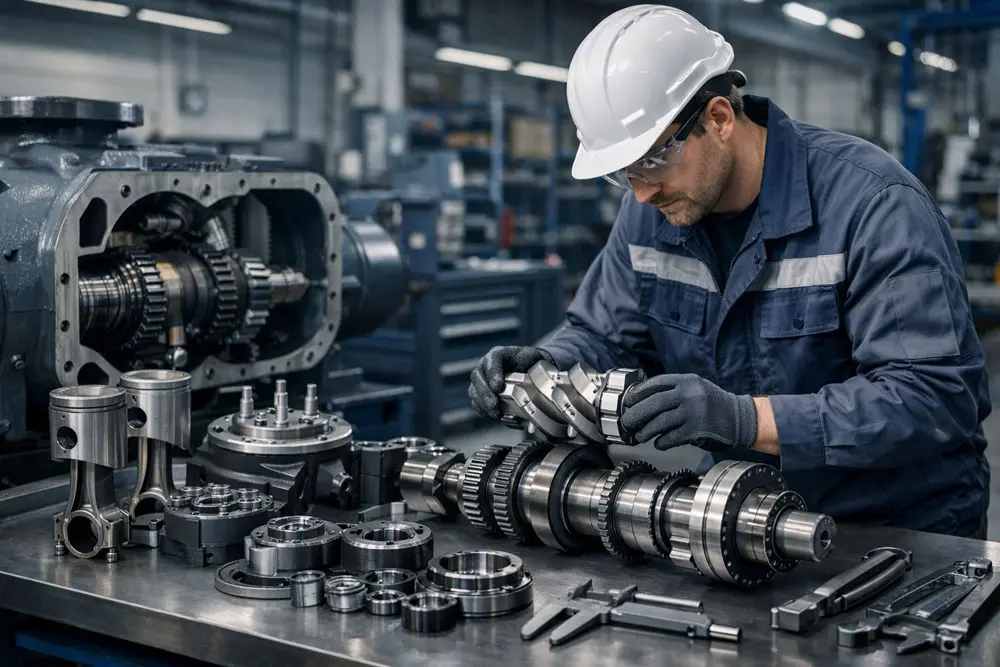
Maintenance practices include regular inspections, cleaning, and minor repairs that can prevent major breakdowns. You need to develop a routine that addresses each component of the system, recognizing the signs of wear before they become a significant issue.
Benefits of Regular Maintenance for Industrial Chillers
Regular maintenance of industrial chillers brings numerous benefits that not only enhance efficiency but also save time and resources in the long run. Here are some major advantages:
- Improved Efficiency: Regular maintenance ensures that all components of the chiller are clean and functioning optimally, reducing energy consumption and operational costs.
- Extended Equipment Life: By routinely inspecting and servicing your chiller, you prevent wear and tear, extending the life of the equipment significantly.
- Reduced Downtime: Proactive maintenance reduces the risk of unexpected failures, minimizing downtime and associated productivity losses.
- Cost Savings: Preventive maintenance helps detect potential issues early, avoiding costly emergency repairs and replacements.
- Compliance and Safety: Maintaining the chiller system ensures that it complies with safety regulations, safeguarding both personnel and operations.
Regularly scheduled maintenance is an investment in the longevity and efficiency of your industrial chiller, contributing to a stable and reliable production environment.
Key Components of an Industrial Chiller System
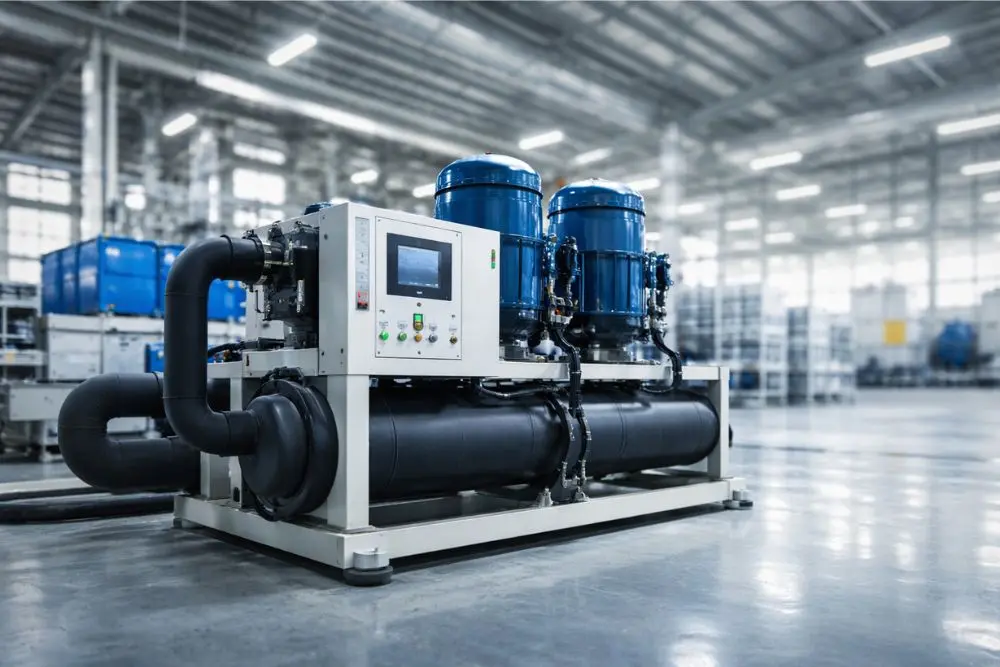
To effectively maintain an industrial chiller, it is important to understand its key components and their respective functions. Below are the primary elements of a typical chiller system:
- Compressor: The heart of the chiller, responsible for compressing the refrigerant and circulating it through the system.
- Evaporator: Allows the refrigerant to absorb heat as it changes from a liquid to a gas, cooling the circulating water.
- Condenser: Dissipates heat absorbed from the evaporator, often using air or water to cool the refrigerant.
- Expansion Valve: Regulates the flow of refrigerant into the evaporator, managing pressure and temperature.
- Pumps: Circulate the chilled water or refrigerant throughout the system.
Understanding these components and their functionality helps you conduct more targeted maintenance, ensuring each part is operating efficiently to support the effectiveness of the entire system.
Daily Maintenance Tasks for Optimal Performance
Consistent daily maintenance is key to catching small issues before they evolve into costly problems. Here are tasks you should perform daily to maintain optimal performance:
- Check Temperature and Pressure Levels: Ensure that the system is operating within designated parameters for energy efficiency and safety.
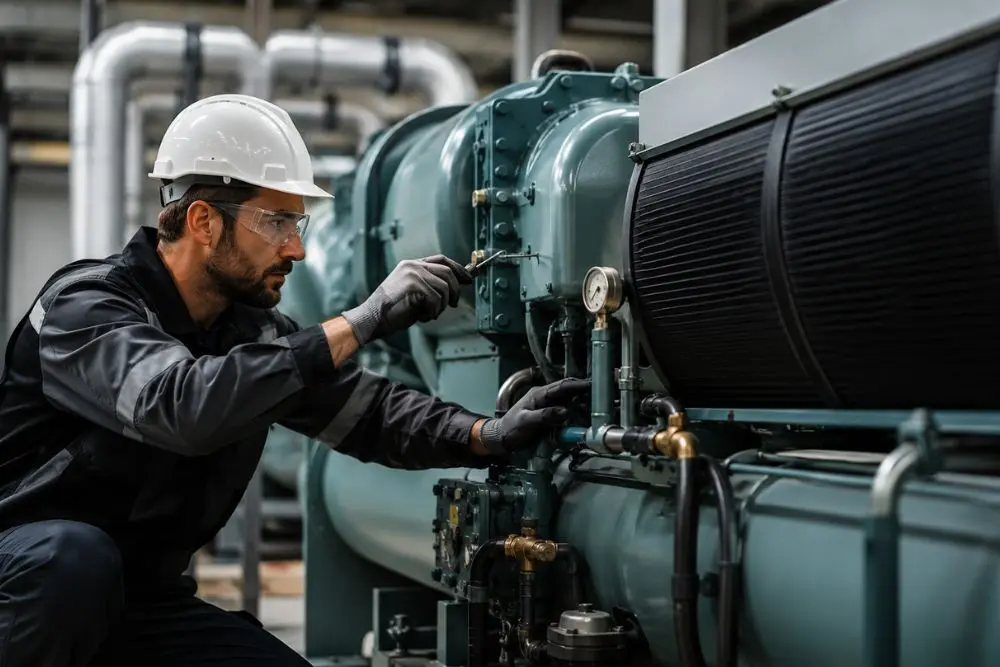
- Inspect for Leaks: Examine refrigerant lines and connections for any signs of leaks, as these can impact performance and efficiency.
- Monitor Noise Levels: Listen for unusual noises that could indicate component wear or impending failures.
- Verify Control Panel Indicators: Check that all readings and indicators on the control panel are within expected ranges, which signal correct operation.
These daily inspections are quick checks that help maintain your chiller in top condition, allowing you to address minor adjustments and avoid larger issues.
Weekly Maintenance Checklist for Industrial Chillers
Weekly maintenance involves more detailed inspections and cleaning to ensure system reliability. Here’s what your weekly maintenance routine should include:
- Clean Filters: Remove dust and debris from air filters to prevent airflow restrictions, which can decrease system efficiency.
- Examine Water Levels: Ensure sufficient water levels in the chiller system to avoid damage to the pumps and other components.
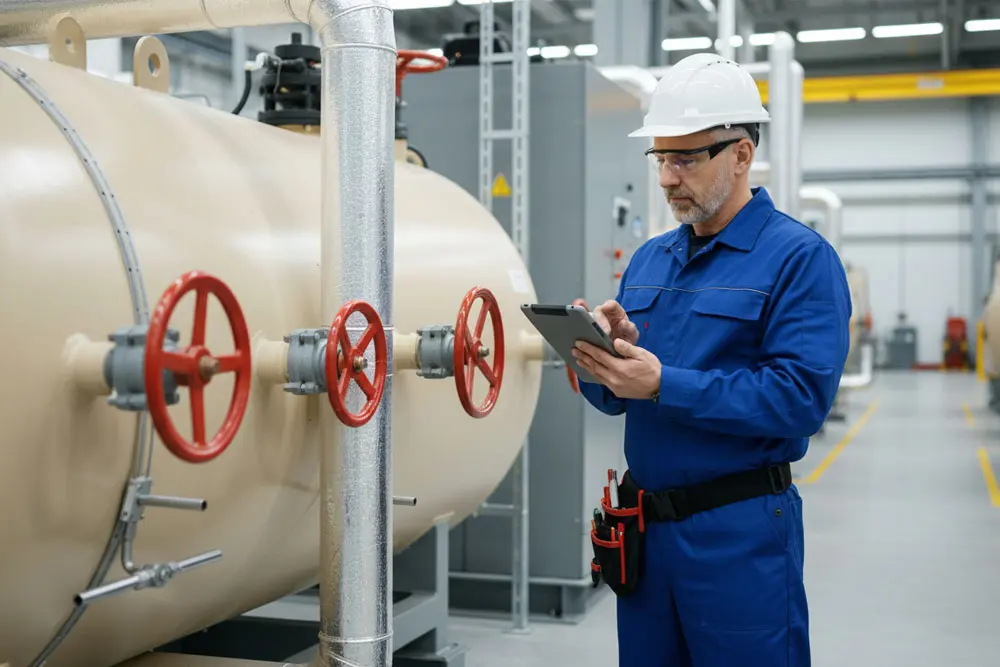
- Inspect Piping and Valves: Check for any signs of corrosion or blockages that could impede water flow or cause leaks.
- Calibrate Thermostats: Verify the accuracy of temperature settings and recalibrate if necessary to ensure precise temperature control.
Weekly maintenance solidifies your daily checks, making sure deeper layers of potential issues are discovered and dealt with in a timely manner.
Seasonal Maintenance Recommendations for Chillers
Seasonal changes can affect the performance of your chiller, making seasonal industrial chiller maintenance an essential part of your routine. Here’s what to consider:
- Spring and Fall Tune-ups: Clean the condenser coils to ensure heat exchange efficiency and prevent dirt build-up from affecting performance.
- Cold Weather Preparations: In colder climates, prepare your chiller with antifreeze solutions and check freeze protection controls.
- Review System Load: Evaluate system load requirements as they can change with seasons, necessitating adjustments for energy efficiency.
- Inspection of Cooling Towers: Examine for algae growth or debris in cooling towers, as these can impede water flow and thermal transfer.
Adapting to seasonal demands is essential to preventing operational disruptions and preserving the long-term efficiency of your chiller system.
The Role of Professional Chiller Maintenance Services
While regular in-house maintenance is essential, professional maintenance services play an important role in ensuring maximum efficiency and longevity of your industrial chiller. Here’s why you should work with professionals:
- Specialized Expertise: Professional technicians provide expert analysis and maintenance, offering insights and solutions that may not be apparent to in-house staff.
- Advanced Diagnostics: Technicians use advanced diagnostic tools to identify issues before they escalate, mitigating risks before they materialize into costly breakdowns.
- Compliance Assurance: Professionals ensure that your chiller system complies with all industry standards and government regulations, promoting safety and efficiency.
Engaging professional services complements your internal maintenance efforts, providing an additional layer of security and expertise that can significantly enhance your chiller’s performance.
Maintaining the peak efficiency of your industrial chiller requires dedication to regular and complete maintenance practices. By embracing a thorough industrial chiller maintenance routine that includes daily checks, weekly and monthly tasks, seasonal preparations, and proactive troubleshooting, you safeguard the operational and energy efficiency of your equipment. Also, utilizing professional maintenance services further ensures your system meets industry standards and operates without interruption. Commit to these practices to extend your chiller’s lifespan, reduce energy costs, and support uninterrupted production processes.