How to maintain a commercial cold room efficiently?
Maintaining a commercial cold room is essential for businesses that rely on refrigeration, including restaurants, supermarkets, and pharmaceutical facilities. A well-maintained cold room ensures product quality, minimizes energy costs, and extends the lifespan of the equipment. Neglecting cold room maintenance can lead to costly repairs, spoilage, and even regulatory penalties. Implementing effective maintenance practices is therefore critical for operational efficiency and cost control. This guide outlines key practices for efficient cold room maintenance, including scheduling, temperature control, cleaning, equipment inspection, and energy monitoring.
Creating a Regular Maintenance Schedule
Establishing a regular maintenance schedule is essential for efficient cold room operation. A well-structured schedule helps identify potential issues before they escalate, ensures compliance with health and safety standards, and optimizes the cold room's operational efficiency.
Maintenance tasks should be categorised by frequency: daily, weekly, monthly, and annually. Daily checks help identify immediate issues, while monthly and annual inspections support in-depth assessment and preventive servicing.
- Daily Inspections: Regularly inspect door seals, clean spills, and check temperature settings to ensure optimal functionality.
- Weekly Checks: Perform a thorough interior inspection for ice build-up or food debris and ensure that alarms and safety features are operational.
- Monthly Maintenance: Calibrate temperature control systems, and inspect electrical connections and defrost systems.
- Annual Service: Engage professional technicians for comprehensive servicing, including lubrication and deep sanitization.
Following a structured maintenance schedule helps reduce downtime and extend the cold room’s lifespan and efficiency.
Ensuring Proper Temperature Control
Temperature control is critical to cold room efficiency. Inconsistent temperatures can result in spoilage, health hazards, and increased operational costs. Therefore, maintaining accurate temperature settings is vital for preserving stored goods and optimizing energy consumption.
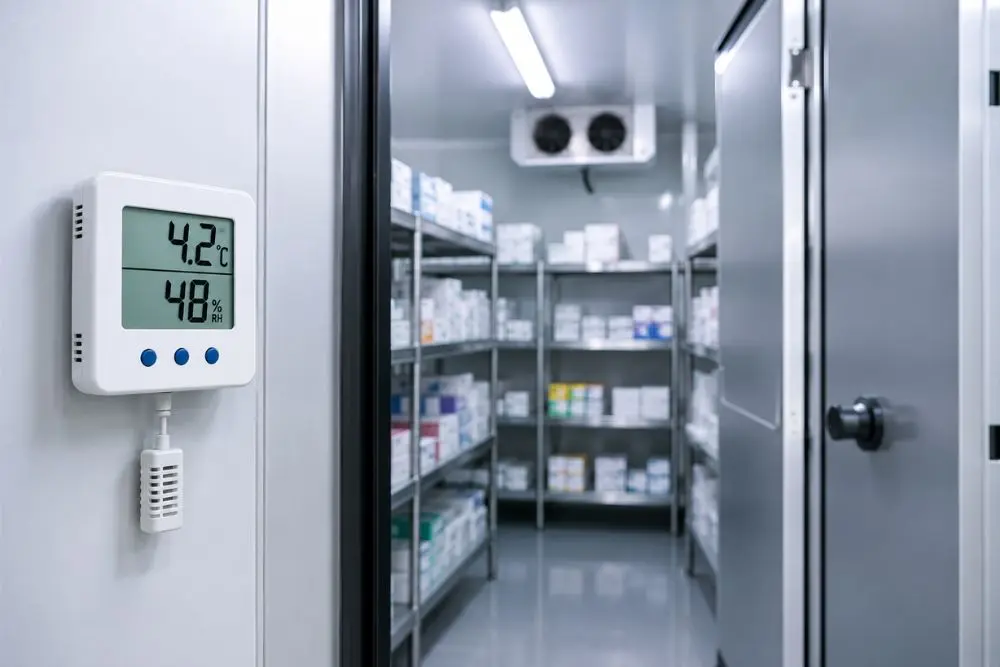
Effective temperature control requires reliable monitoring systems that provide real-time data and alerts. Automated systems can notify personnel of temperature deviations, allowing for immediate corrective action. Integrating IoT-enabled systems allows continuous monitoring and supports data-driven decision-making.
- Automated Temperature Logs: Utilize logging systems that automatically record temperature fluctuations for compliance and analytical review.
- Regular Calibration: Ensure temperature sensors are calibrated regularly to maintain accuracy and reliability of data.
Staff training is also critical; employees should be well-versed in monitoring and adjusting temperature settings to prevent inadvertent mishandling. Clear protocols and appropriate technology help minimise spoilage risks and ensure regulatory compliance.
Cleaning and Sanitizing Procedures
A structured cleaning and sanitising routine is essential for maintaining hygiene standards and preventing contamination in commercial cold rooms. Regular cleaning not only extends the life of the equipment but also ensures compliance with health regulations.
Daily cleaning should focus on routine tasks such as wiping down high-contact surfaces and addressing spills immediately to avoid ice formation. Weekly and monthly cleaning should include intensive tasks such as defrosting and deep sanitisation of surfaces and seals.
- Sanitization Protocols: Use food-grade, non-toxic cleaning agents to prevent contamination of stored goods.
- Door Seal Maintenance: Regularly clean and inspect door seals for durability to maintain an airtight closure.
Consistency in cleaning routines minimizes health risks and prolongs the integrity of the cold room's environment. Implementing comprehensive cleaning procedures ensures a hygienic and efficient cold room operation aligned with industry standards.
Inspecting and Servicing Equipment
Regular inspection and servicing of cold room equipment are essential to identify wear, prevent breakdowns, and ensure efficient operation. Routine checks enhance the reliability and longevity of the refrigeration system.
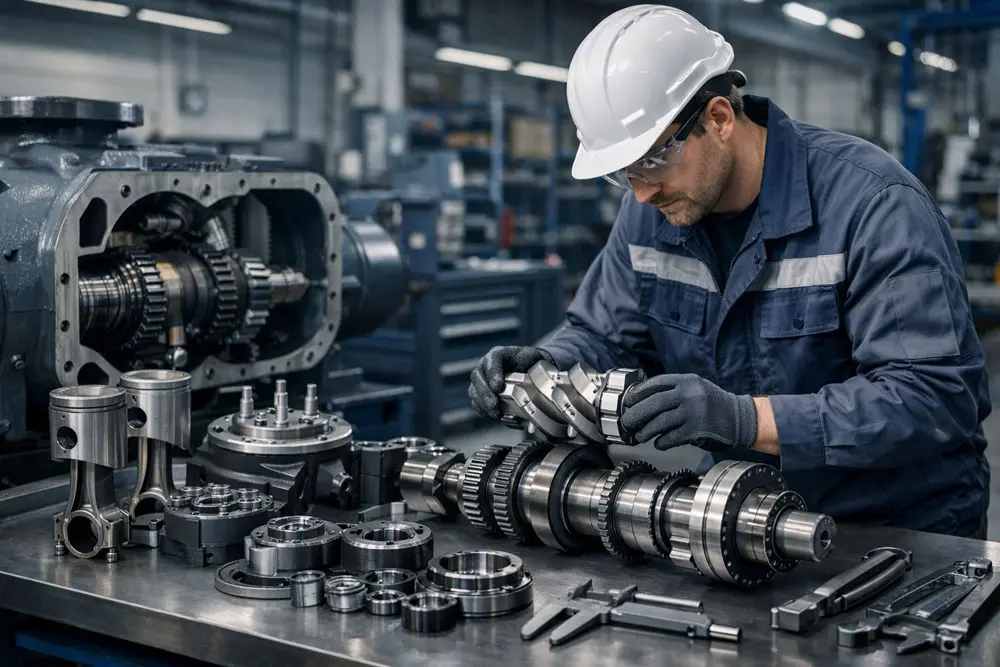
Monthly inspections should include checking compressors, evaporator coils, and insulation for any visible damage or inefficiencies. Qualified technicians should conduct annual servicing, including inspection of moving parts and replacement of faulty components.
- Compressor Inspections: Regularly inspect the compressor for leaks and unusual noises that could indicate underlying issues.
- Coil Cleaning: Periodically clean evaporator and condenser coils to maintain heat transfer efficiency and reduce energy consumption.
Ensuring professional servicing and timely repairs not only prolongs equipment life but also optimizes energy usage and prevents unexpected downtime, ensuring seamless cold room operation.
Monitoring Energy Efficiency
Energy efficiency is a key factor in cold room maintenance, as refrigeration contributes significantly to operational costs. By maximizing energy efficiency, businesses can reduce expenses while minimizing their environmental impact.
One primary approach to achieving energy efficiency is to invest in energy-efficient equipment and technologies, such as variable-speed compressors and LED lighting. Regular maintenance of seals and insulation helps prevent energy loss caused by leaks and temperature fluctuations.
- Energy Efficient Upgrades: Consider transitioning to equipment that uses eco-friendly refrigerants and consumes less power.
- Insulation Audits: Conduct regular audits to assess insulation effectiveness and address weaknesses, reducing potential energy losses.
Employee awareness programs focusing on energy conservation practices can further enhance efficiency. An energy-efficient approach can reduce consumption, lower costs, and support environmental sustainability.
Maintaining a commercial cold room efficiently requires a structured approach involving scheduled maintenance, diligent temperature and hygiene management, and energy efficiency measures. By adhering to these practices, businesses can ensure optimal product quality, regulatory compliance, and cost-effective operations. Proactive maintenance improves operational reliability and supports long-term business sustainability.