Why Is Your AC Leaking Water? Common Causes and Solutions
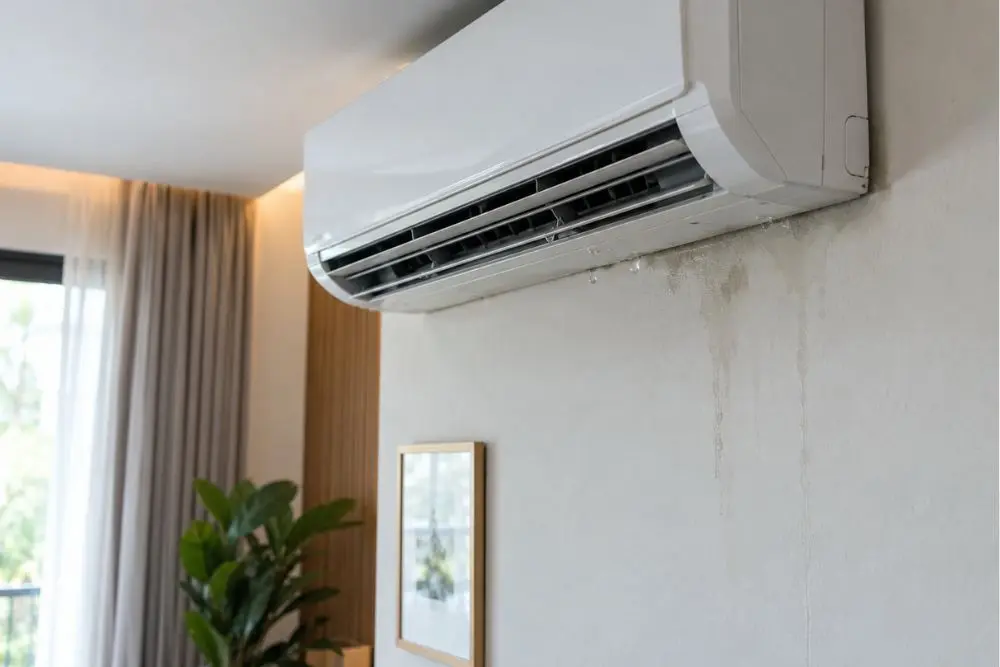
Air conditioners are essential appliances that offer respite from the sweltering heat, maintaining a comfortable environment within your home or office. However, encountering water leakage from your air conditioner can be both puzzling and inconvenient. If you've noticed puddles forming under your AC unit, you're certainly not alone. Ignoring AC water leakage can result in water damage, mould growth, reduced cooling performance, and expensive repairs over time. Understanding the root causes and knowing how to address them can save you from costly repairs and ensure the longevity of your system. In this guide, we'll delve into the main reasons behind AC condensation problems and provide actionable tips to address them effectively.
Understanding AC Condensation
To comprehend why your air conditioner might be leaking water, it’s crucial to understand the process of condensation within the unit. Air conditioners are designed to not only cool the air but also to dehumidify it. This is achieved by drawing moisture from the air as it passes over the evaporator coils. The condensed water collects in the drain pan before flowing safely through the condensate drain line and out of the system.
This process is akin to the formation of water droplets on the outside of a cold soda can on a warm day. When warm air meets the cool surface, the temperature differential causes condensation. In your AC system, if any part of this process is impeded, such as by a blocked drain or an improperly installed unit, it can result in water leakage.
- Evaporator Coils: They cool the air and facilitate the condensation process.
- Drain Pan: Collects the moisture and directs it to a drain line.
- Drain Line: Allows water to safely exit the building.
Ensuring these components function correctly is crucial in preventing water leakage issues.
Common Causes of AC Water Leakage
Water leakage in air conditioners can be attributed to several factors. Below are some common causes:
1. Clogged Drain Line: A blocked drainage line is one of the most prevalent reasons for AC water leakage. Over time, dirt, dust, and mold can accumulate in the drain line, obstructing the flow of water. If the water cannot exit through the drain line, it will eventually overflow and leak out from the unit.
2. Damaged or Rusted Drain Pan: In older air conditioning units, the drain pan can become damaged or rusted. This compromises its ability to hold water, resulting in unexpected leakage.
3. Improper Installation: If your air conditioner was not installed correctly, it might be improperly leveled. This can lead to improper water drainage and leaks.
4. Dirty Air Filters: Air filters that are clogged with dirt and debris can impede airflow over the evaporator coils. This can result in the coils freezing and, when they thaw, excess water may drip, causing leakage from the unit.
5. Low Refrigerant Levels: While more rare, low refrigerant levels can also cause your evaporator coils to freeze. Thawed ice will result in water pooling around the unit once again.
How to Fix AC Water Leakage?
Addressing AC water leakage can often be handled with some maintenance and repair. Here are several solutions to common issues:
1. Clear a Clogged Condensate Drain Line: Turn off the power before cleaning the condensate drain line with a wet/dry vacuum or an approved cleaning solution to restore proper water flow.
2. Repair or Replace the Drain Pan: Inspect the drain pan for any damage or rust. Small cracks can sometimes be patched with epoxy, but replacing a severely damaged pan is advisable for long-term peace of mind.
3. Re-level the Unit: If improper installation is the cause, you may need to re-level your air conditioner. This ensures that the water flows efficiently into the drain pan and out through the drain line.
4. Replace Dirty Air Filters: Check and replace your air filters regularly. Depending on usage, this may be every 1–3 months. Clean filters ensure proper airflow and prevent the coils from freezing.
5. Check Refrigerant Levels: If you suspect low refrigerant levels, it's best to contact a professional service. Handling refrigerants requires specific tools and expertise.
- Tip: Regular maintenance checks can prevent many common issues before they develop into costly repairs.
- DIY Maintenance: Regularly clean or replace filters, and check drain pans and drain lines for blockages.
Signs Your AC Might Be Leaking
Being vigilant about the signs of water leakage is crucial in preventing larger issues. Here are some indicators your AC might be leaking:
1. Puddles or Water Stains: Obvious pooling of water near the unit or stains on the ceiling or walls can signal water leakage.
2. Fluctuating Cooling Performance: If your AC unit isn’t cooling as effectively as it should, it might be due to condensation issues affecting its overall function.
3. Musty Odours: A persistent musty smell may indicate excess moisture inside the system, which can lead to mould growth and poor indoor air quality.
4. Visible Signs of Moisture: This might include visible condensation on the air ducts or pipes, or around the AC indoor unit.
Professional Help and When to Seek It
While routine maintenance might help manage and prevent some AC water leakage issues, there are times when professional ac services are necessary. Complex problems such as significant refrigerant leaks, electrical issues, or major mechanical failures should be addressed by a qualified technician. Here’s when you should consider professional help:
1. Persistent Water Leaks: If after trying the above remedies the problem persists, a professional assessment might be needed.
2. Unidentified Leaks: Difficulty in pinpointing the source of the leak can warrant a professional diagnosis. Technicians have tools and expertise to identify hard-to-find leaks and rectify them.
3. Major System Faults: Compressor failures, refrigerant issues, electrical problems, or damaged internal components should only be repaired by qualified professionals.
- Regular Service: Schedule regular maintenance checks to keep your AC functioning optimally and identify potential issues early.
Conclusion
In conclusion, addressing air conditioner water leakage promptly is key in maintaining the lifespan and efficiency of your unit. Routine maintenance, such as keeping the drain line clear, checking the pan for damage, and replacing air filters, can prevent minor issues from escalating. Recognizing early signs of trouble and knowing when to call a professional can help safeguard against major repairs and extend the life of your air conditioner. Following these AC maintenance tips can improve cooling performance, lower energy consumption, and help you avoid unexpected breakdowns. Stay vigilant, conduct regular check-ups, and your AC will deliver optimal performance for years to come.
Frequently Asked Questions (FAQs)
1. Why is my air conditioner leaking water indoors?
An air conditioner may leak water indoors due to a clogged condensate drain line, a damaged drain pan, dirty air filters, low refrigerant levels, or improper installation. Identifying the cause early can help prevent water damage and costly repairs.
2. Is it safe to use an AC that is leaking water?
It is not recommended to continue using an AC that is leaking water until the problem has been identified. Ignoring the issue can lead to mould growth, electrical hazards, reduced cooling performance, and damage to your home.
3. How can I stop my AC from leaking water?
Start by checking for a blocked condensate drain line, replacing dirty air filters, and inspecting the drain pan for damage. If the leak continues or you suspect a refrigerant or mechanical issue, contact a qualified HVAC technician.
4. How often should I service my air conditioner to prevent water leaks?
Most manufacturers recommend professional air conditioner servicing at least once a year. Regular maintenance helps keep the condensate drain line, evaporator coils, filters, and other components clean and reduces the risk of water leaks.
5. When should I call a professional for an AC water leak?
You should contact a professional if the leak continues after basic troubleshooting, the source of the leak is unclear, or you notice problems such as frozen evaporator coils, refrigerant leaks, electrical faults, or poor cooling performance.
-f8cf8bc1.webp&w=3840&q=75)