Temperature and Humidity Control in Pharmaceutical Cold Rooms
Maintaining precise temperature and humidity levels in pharmaceutical cold rooms is essential for preserving the quality, safety, and effectiveness of temperature-sensitive medicines. As someone responsible for these critical environments, you must ensure that temperature and humidity are consistently regulated to protect drug efficacy and safety. Optimal climate regulation in pharmaceutical storage is not just a matter of avoiding the degradation of medicines, but a compliance issue that can affect your facility's operations and reputation. This guide delves into strategies for climate regulation in pharma storage, focusing on humidity management, technology utilization, regulatory standards, and best practices for sustaining reliable conditions.
Introduction to Pharmaceutical Cold Rooms
Pharmaceutical cold rooms are climate-controlled environments critical for storing temperature-sensitive drugs, vaccines, and biologicals. These facilities require precise temperature and humidity management to preserve the integrity of the products. Effective cold chain environment optimization is essential to avoid compromising the potency and safety of pharmaceuticals. As a professional in this field, you're entrusted with the responsibility to understand the intricacies of cold room operations, from setting appropriate climate conditions to continuous monitoring for deviations.
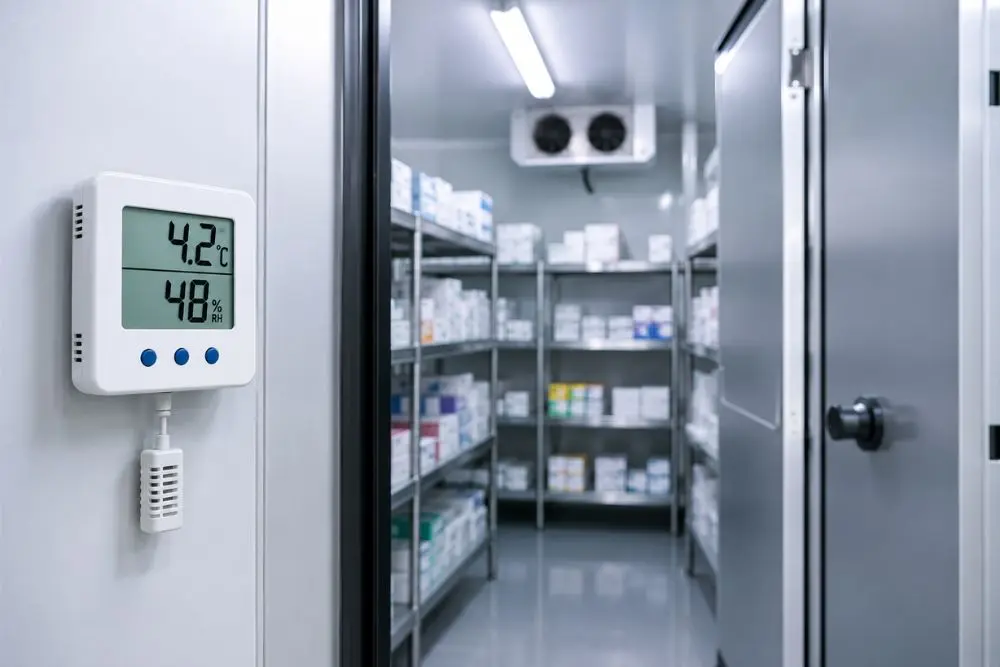
Typically, pharmaceutical cold rooms must operate within specific temperature ranges, usually between 2°C and 8°C. Maintaining these conditions can prevent thermal instability, which could lead to drug degradation. Moreover, humidity management is equally crucial: excess moisture can lead to spoilage or facilitate microbial growth, while too little humidity can cause desiccation of sensitive products. An understanding of these dynamics provides you the groundwork for implementing effective climate control strategies tailored to your facility's needs.
Effective Humidity Management in Drug Preservation
Effective humidity management is essential in pharmaceutical cold rooms to protect the quality, stability, and shelf life of temperature-sensitive medicines. While temperature is often the primary focus, humidity directly affects the stability of medicines. Excessive or insufficient humidity can affect product stability, packaging integrity, and shelf life, potentially compromising the quality of pharmaceutical products.
In your quest to manage humidity effectively, consider the following strategies:
- Dehumidifiers: Regularly utilize dehumidifiers to maintain a constant humidity level. These devices are essential for extracting moisture from the air, thereby preventing product damage.
- Hygroscopic Materials: Incorporate materials that naturally absorb moisture into the storage area, such as silica gels or clay-based desiccants, which help to regulate humidity levels.
- Sealed Storage: Use airtight containers to store pharmaceuticals sensitive to humidity fluctuations. By doing so, you can ensure that these products remain unaffected by changes in ambient humidity.
Monitoring humidity should not be a one-time task. Implement systems that allow for continuous recording and assessment of humidity levels. Sensors that are calibrated for pharmaceutical applications can alert you to any deviations, giving you the opportunity to make prompt adjustments to the environment and maintain product integrity.
Technologies for Temperature and Humidity Monitoring
Advanced monitoring technologies are essential for maintaining accurate temperature and humidity levels in pharmaceutical cold rooms. Embracing technological innovations ensures a high degree of accuracy and reliability in maintaining the cold chain environment.
Consider implementing the following technologies:
- Data Loggers: Utilize data loggers for continuous monitoring of temperature and humidity levels. These devices can record environmental conditions over time, enabling you to identify trends and react to out-of-range conditions promptly.
- Remote Monitoring Systems: Deploy remote monitoring systems that provide real-time updates and alerts to your personal devices. These systems allow for immediate corrective actions, minimizing the risk of product spoilage.
- Integrated Climate Control Systems: Install integrated systems capable of automatic adjustments to temperature and humidity. Such systems use sensors and programmable logic controllers (PLCs) to maintain optimal storage conditions round the clock.
In addition to deployment, regular calibration of these technologies is crucial. Routine checks ensure these tools accurately reflect environmental conditions, crucial for maintaining the thermal stability of the medicines stored within your facility.
Regulatory Standards for Cold Room Management
Pharmaceutical cold rooms are subject to strict regulatory standards to ensure that medicines remain safe and effective throughout their shelf life. It is essential for you to adhere to guidelines set forth by organizations such as the World Health Organization (WHO), the US Food and Drug Administration (FDA), and the European Medicines Agency (EMA).
Common requirements include:
- Temperature Control: Maintain the storage temperature specified for each pharmaceutical product, with many refrigerated medicines requiring storage between 2°C and 8°C.
- Humidity Levels: Control relative humidity to levels that do not compromise the integrity of the pharmaceuticals, often keeping it below 60%.
- Validation and Qualification: Conduct regular validation and qualification of equipment and systems used in cold rooms as part of Good Manufacturing Practices (GMP).
Additionally, implementing Standard Operating Procedures (SOPs) for cold room operations, including monitoring routines and corrective action plans, is mandatory. Ultimately, following these guidelines ensures compliance with industry standards and helps maintain the highest levels of quality assurance for the products you manage.
Best Practices for Reliable Climate Regulation
Maintaining reliable temperature and humidity control is essential for preserving pharmaceutical product quality, ensuring regulatory compliance, and supporting an uninterrupted cold chain:
- Regular Audits: Conduct regular audits of your climate control systems to verify that they are operating effectively and efficiently.
- Employee Training: Train staff on the importance of maintaining climate conditions and how to operate monitoring equipment proficiently.
- Emergency Protocols: Develop and practice emergency response plans for equipment failure or power outages to minimize risks.
- Preventive Maintenance: Schedule regular maintenance for all climate control and monitoring equipment to avoid unexpected breakdowns.
By routinely implementing these practices, you help ensure your pharmaceutical products remain in optimal conditions. Proactive management allows you to preempt potential issues, contributing to a stable cold chain environment and enhancing the trust of stakeholders in your facility's capabilities.
Conclusion
Maintaining precise temperature and humidity control in pharmaceutical cold rooms is essential for preserving product quality, ensuring patient safety, and meeting regulatory requirements. By understanding and implementing effective climate regulation strategies, you can enhance the stability and safety of temperature-sensitive medicines throughout storage. Investing in the right monitoring technologies, adhering to industry regulations, and relying on professional maintenance services for regular inspections, calibration, and system upkeep help ensure consistent cold room performance. These proactive measures not only preserve the integrity of pharmaceutical products but also improve operational efficiency, support regulatory compliance, and strengthen the reliability of your facility.\
Frequently Asked Questions (FAQs)
1. Why is temperature and humidity control important in pharmaceutical cold rooms?
Temperature and humidity control are essential for maintaining the quality, stability, and effectiveness of temperature-sensitive medicines. Proper environmental conditions help prevent product degradation, extend shelf life, and ensure compliance with pharmaceutical storage regulations.
2. What is the recommended temperature range for pharmaceutical cold rooms?
Many refrigerated pharmaceutical products are stored between 2°C and 8°C. However, the required storage temperature depends on the specific product and the manufacturer's recommendations, making continuous monitoring essential.
3. How is humidity managed in pharmaceutical cold rooms?
Humidity is managed using dehumidifiers, moisture-resistant storage solutions, desiccants where appropriate, and continuous monitoring systems. Maintaining the correct humidity level helps protect medicines and packaging from moisture-related damage.
4. What technologies are commonly used to monitor pharmaceutical cold rooms?
Pharmaceutical cold rooms commonly use data loggers, remote monitoring systems, calibrated temperature and humidity sensors, and automated climate control systems. These technologies provide real-time monitoring, alerts, and accurate records for regulatory compliance.
5. What are the best practices for maintaining pharmaceutical cold rooms?
Best practices include continuous temperature and humidity monitoring, regular equipment calibration and maintenance, staff training, routine audits, documented standard operating procedures (SOPs), and emergency response plans. These measures help maintain product quality, support regulatory compliance, and ensure reliable cold chain performance.