
The Chiller Repair Mistakes That Shorten Equipment Life
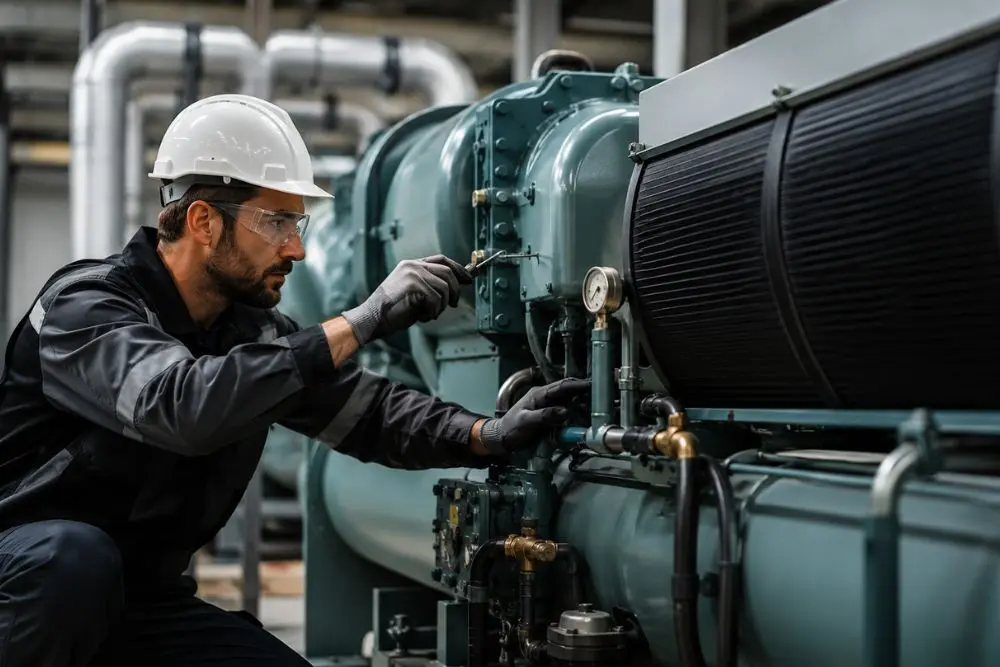
In today's industrial landscape, chillers play a crucial role in maintaining optimal temperature control across various applications. Whether used in manufacturing processes, data centers, or air conditioning systems, chillers are complex pieces of machinery that require precise maintenance to function effectively. However, the importance of correct repair practices is often underestimated, leading to costly mistakes that can significantly shorten the lifespan of your equipment. By understanding these common chiller repair mistakes and how to avoid them, you can ensure the longevity and efficiency of your cooling systems.
Introduction
Effective chiller repair is critical for maintaining the functionality and longevity of your equipment. As a professional responsible for technical operations, you need to be aware of common pitfalls in chiller maintenance and repair. Avoiding these mistakes not only saves you from unexpected costs but also ensures uninterrupted performance. In a competitive industrial environment, the efficient operation of chillers can provide significant advantages in energy savings and reliability. Let's explore the common errors in chiller repair and how they can be prevented.
Common Chiller Repair Mistakes
While some chiller repair mistakes are glaringly obvious, others might not be immediately evident but can have long-lasting detrimental effects. Recognizing these errors is the first step towards ensuring effective maintenance.
Key mistakes arise from inadequate training, lack of awareness, or simply cutting corners. Regularly evaluating your maintenance processes can help in identifying shortcomings that could lead to malfunctioning equipment or unnecessary wear and tear. Here, we will delve into the most common mistakes and provide insights on how you can avoid them.
Neglecting Regular Maintenance
One of the most common mistakes in chiller maintenance is neglecting regular inspections and servicing. Chillers, like any other machinery, require consistent check-ups to function efficiently. Skipping these routine inspections can lead to a range of problems, such as increased energy consumption, lower performance, and potentially catastrophic failures.
Routine maintenance includes checking fluid levels, inspecting heat exchangers, and verifying electrical components for damage or wear. These tasks may seem minor but collectively play a significant role in extending the lifespan of the equipment.
- Regular Inspections: Scheduled inspections help detect issues early.
- Performance Testing: Regular testing of performance metrics ensures optimal operation.
- Component Checks: Identifying worn parts during maintenance can prevent more significant damage.
Using Incorrect Replacement Parts
Another critical mistake involves using incorrect or substandard replacement parts during repairs. Using incompatible or low-quality components can compromise chiller performance, increase the risk of system failure, and shorten equipment life. Each chiller model has specific requirements that must be adhered to for optimal performance.
You should always consult the manufacturer's specifications when sourcing replacement parts. Using parts that do not meet these specifications can lead to serious operational issues and reduced equipment lifespan. It’s vital to maintain a trusted relationship with suppliers who can provide genuine and compatible parts.
Improper Refrigerant Recharging Techniques
Refrigerant is directly responsible for the cooling process within a chiller. Incorrect handling during recharging can lead to a host of issues, including inefficient cooling and increased wear on the compressor. It is crucial that you follow the correct procedures and measurements when recharging refrigerants.
Techniques such as overcharging or undercharging can severely affect the system's efficiency. Overcharging may lead to excessive pressure and potential system failures, while undercharging might not provide adequate cooling and put undue stress on the machine. Ensuring proper skill training and adherence to outlined procedures is fundamental during this process.
Ignoring Small Leaks and Noises
Ignoring minor issues such as small leaks and unusual noises is a common mistake that can lead to significant problems down the line. Small refrigerant leaks, for example, may seem trivial but can result in substantial refrigerant loss, reducing efficiency and increasing operational costs.
Unusual noises can also indicate underlying issues such as failing components or misalignments. Addressing these warning signs promptly can prevent minor faults from developing into costly repairs or major equipment damage. It is crucial to treat these signs seriously and investigate their root causes promptly.
- Prompt Leak Identification: Regularly check for and fix refrigerant leaks.
- Noise Monitoring: Document and investigate abnormal sounds immediately.
Reduction in Equipment Lifespan
Failure to address these repair mistakes can result in a noticeable reduction in equipment lifespan. This not only leads to increased emergency repairs but may also necessitate complete replacement earlier than anticipated, incurring substantial costs.
The expense of frequent repairs or replacements can quickly dominate your operational budget, proving far more costly than initial investment in quality maintenance practices. Over time, a focus on avoiding such mistakes could yield returns in the form of operational efficiency, reduced downtime, and extended equipment longevity.
Implementing Comprehensive Maintenance Schedules
Establishing a comprehensive maintenance schedule is essential in mitigating the typical mistakes associated with chiller repair. Regular inspections and servicing, supported by detailed maintenance records, can help identify potential issues before they affect system performance.
A well-documented maintenance plan should be tailored to the specific needs of your equipment, considering factors such as environmental conditions and usage patterns. This proactive approach empowers you to maximize equipment reliability and efficiency, ensuring that potential issues are resolved before escalating.
- Detailed Record Keeping: Maintain logs of maintenance activities and observations.
- Customized Schedules: Create maintenance timelines that suit specific operational needs.
Conclusion
By recognizing and avoiding these common chiller repair mistakes, you can significantly enhance the lifespan and efficiency of your equipment. Regular maintenance, appropriate parts, and prompt attention to minor issues are key components of effective chiller management. Implementing thorough maintenance schedules can prevent potential failures and ensure optimal performance. As a result, you can enjoy the benefits of reduced operational costs, increased reliability, and prolonged equipment life.
Frequently Asked Questions
1. What are the most common chiller repair mistakes?
Common mistakes include neglecting regular maintenance, using incompatible replacement parts, improper refrigerant charging, and ignoring warning signs such as leaks or unusual noises.
2. How can improper repairs shorten a chiller’s lifespan?
Incorrect repairs can place additional stress on components, reduce system efficiency, cause recurring failures, and lead to premature equipment wear.
3. Why is proper refrigerant charging important for a chiller?
Incorrect refrigerant levels can affect cooling performance, increase compressor strain, raise energy consumption, and potentially cause serious system damage.
4. How often should a chiller be inspected and maintained?
Maintenance frequency depends on the chiller type, operating conditions, usage, and manufacturer recommendations. Following a customized preventive maintenance schedule helps identify problems early.
5. What warning signs indicate that a chiller needs professional repair?
Common warning signs include unusual noises, refrigerant or water leaks, reduced cooling capacity, rising energy consumption, frequent shutdowns, and inconsistent system performance.

-f8cf8bc1.webp&w=3840&q=75)