
How Dirty AC Filters Affect Your Health?
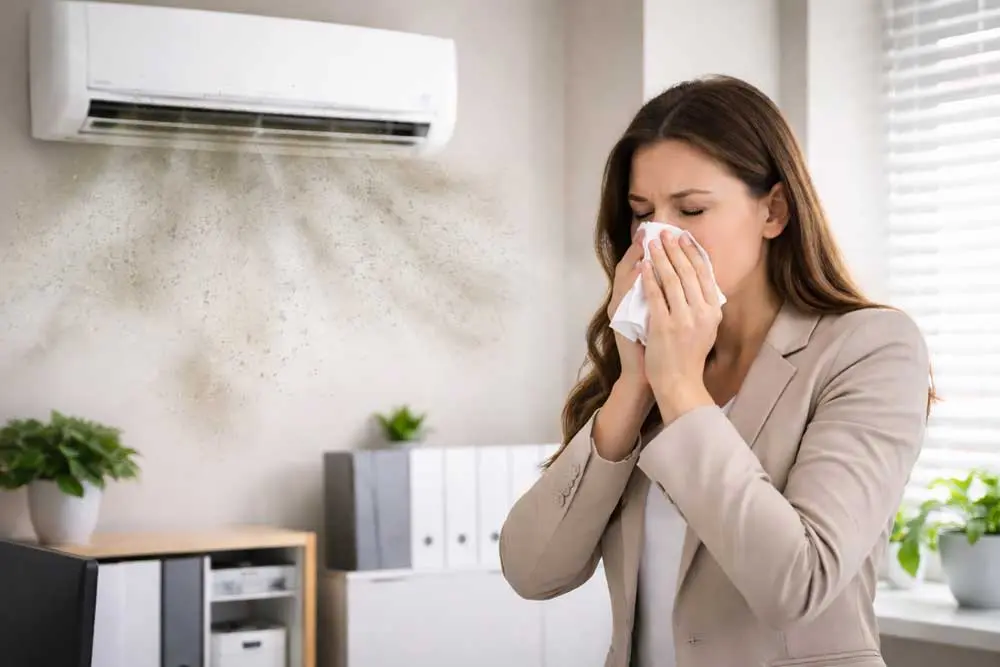
Air conditioning filters are an essential part of your cooling system, yet they are often overlooked until performance or air quality starts to decline. However, the impact a dirty AC filter can have on your health is something worth paying attention to. A clean filter does more than trap dust—it helps keep the air in your home fresh, clean, and safe to breathe. This article will delve into why these filters get dirty, the health risks associated with neglecting them, and the benefits of regular maintenance.
The Overlooked Part of Your AC
Many homeowners overlook AC filter maintenance until they notice poor airflow or reduced cooling performance. However, it's not just the mechanical issues that should concern you. Dirty AC filters can profoundly affect your indoor air quality and, consequently, your health. They act as a barrier, trapping dust, pollen, and other contaminants. Over time, these particles build up, reducing the filter’s efficiency and allowing pollutants to circulate throughout your home. This seemingly small oversight can lead to significant health implications, especially for those with preexisting respiratory conditions or allergies.
Why AC Filters Get Dirty?
Understanding why AC filters get dirty can help you prevent problems that affect your air quality and health. Air filters trap airborne particles, helping to maintain cleaner indoor air by capturing dust, pollen, mold spores, and pet dander. However, over time, these filters become full and clogged due to several factors, including:
- Environmental Factors: Depending on where you live, your AC filter might accumulate more debris than usual due to high pollen seasons or nearby construction work, leading to quicker saturation.
- Frequent usage: The more often your AC runs, the faster the filter becomes dirty. In warm climates where AC is used regularly, filters need to be cleaned or replaced more often.
- Presence of Pets: Homes with pets may experience faster filter clogging due to increased pet hair and dander circulating in the air.
When filters are clogged, airflow is restricted and dust and allergens can circulate through your home, affecting your comfort and health.
Health Risks of Dirty AC Filters
A well-maintained air conditioning system helps circulate clean, filtered air and supports a healthier indoor environment. When AC filters become dirty, airflow is reduced and dust, allergens, and other pollutants can circulate throughout your home, affecting your health. Here are some prevalent health issues associated with these neglected filters:
- Aggravated Asthma: Poor indoor air quality can worsen asthma symptoms, making it challenging to breathe and possibly leading to more frequent attacks.
- Increased Allergy Symptoms: Allergens like pollen and dust mites can accumulate, triggering more severe reactions.
- General Respiratory Distress: Even individuals without preexisting conditions can experience respiratory issues when exposed to prolonged periods of poor indoor air quality.
If you notice these symptoms, it may be a sign that your AC filters need cleaning or replacement to protect your indoor air quality.
Respiratory Problems and Breathing Issues
Breathing issues are among the most immediate and noticeable effects of dirty AC filters. When filters become clogged, they can no longer trap dust and airborne particles effectively, allowing pollutants to circulate in the air you breathe. These particles can stay suspended indoors and enter your lungs, increasing the risk of irritation and breathing difficulties.
If you or someone in your household suffers from preexisting respiratory conditions such as asthma or chronic respiratory conditions, exposure to these airborne irritants can trigger symptoms like coughing, wheezing, and shortness of breath. Long-term exposure may increase the risk of respiratory infections and ongoing breathing problems. Regular AC maintenance helps improve airflow, reduce airborne irritants, and support healthier indoor air quality.
Allergies Caused by Dirty Filters
Frequent sneezing, itchy eyes, or nasal irritation may be signs of a dirty AC filter. Dirty filters can trap and accumulate allergens such as pollen, dust mites, and pet dander. When these filters are not regularly cleaned or replaced, they lose their efficiency in capturing these allergens, which then recirculate throughout your home.
Poor indoor air quality can worsen allergy symptoms such as persistent sneezing, a runny nose, itchy eyes, and skin irritation. Over time, these symptoms can affect your comfort and overall indoor living environment. A proactive approach to maintaining your AC filter can help alleviate these issues, reducing allergy symptoms by limiting the allergens circulating through your home.
Mold and Bacteria Risks
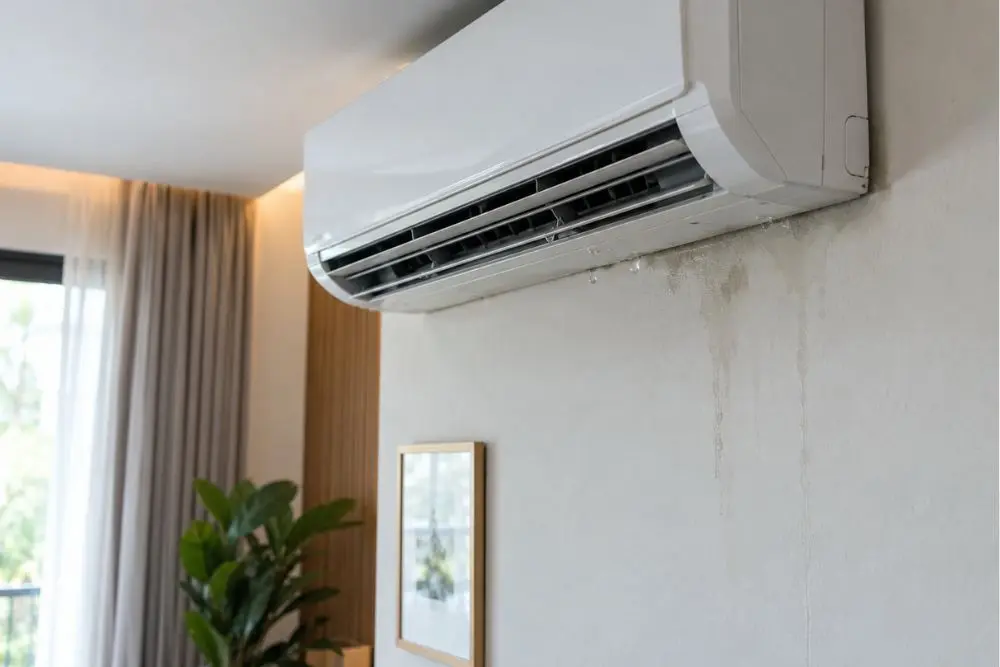
A neglected AC filter can create conditions that allow mould and bacteria to develop. When filters become clogged and damp due to condensation, they create a suitable environment for mould and bacteria growth. Exposure to mould spores can cause symptoms such as throat irritation, coughing, and breathing discomfort.
Long-term exposure may increase the risk of respiratory infections and ongoing breathing problems. Bacteria growth can similarly introduce harmful pathogens into your home environment. Keeping your AC filters clean and dry is key to preventing these microbial infestations, helping to maintain a healthier indoor environment.
Benefits of Regular Filter Cleaning
Regular AC filter cleaning offers important benefits for both your health and the performance of your cooling system. Clean filters help reduce dust, allergens, and other pollutants, improving the air quality inside your home.
- Improved Air Quality: Clean filters maintain effective filtration, thereby enhancing the quality of the air you breathe.
- Better system efficiency: Proper airflow reduces strain on your AC, helping it run more efficiently and use less energy.
- Lower maintenance costs: Clean filters help prevent breakdowns and reduce the risk of expensive repairs.
These benefits show why regular filter cleaning should be part of your routine home maintenance.
When to Call a Professional?
While basic filter cleaning or replacement can be done at home, some situations require professional attention. You should consider expert help under the following circumstances:
- Ongoing air quality issues: If dust, odours, or poor airflow continue even after replacing the filter, there may be a deeper problem within the system.
- Mould growth: If you notice or suspect mould inside your AC, professional cleaning is necessary to prevent health risks and system damage.
- Complex Systems: Some modern HVAC systems have complex components that may require professional expertise for proper maintenance and filter access.
Professional technicians have the right tools and expertise to identify hidden issues, improve system performance, and maintain healthy indoor air quality.
Maintaining your AC filter may seem like a small task, but it plays an important role in keeping your indoor air clean and healthy. Dirty filters can worsen allergies and breathing problems and encourage the growth of mould and bacteria. Regular cleaning helps your AC run efficiently while reducing health risks caused by poor air quality. If indoor air quality does not improve despite regular filter changes, professional AC servicing may be needed to identify and fix underlying issues. Routine maintenance helps you maintain better air quality and a more comfortable home throughout the year.

-f8cf8bc1.webp&w=3840&q=75)